
The day Melissa Rivera turned 18, a friend of hers named Karen Guerrero sent the Salvadoran student a text wishing her happy birthday.
By 1 p.m. Guerrero, who was also 18, was missing, Rivera recalls. She was later discovered dead in a ditch, her limbs cut off. Her slain brother lay beside her.
“She was not involved in any drug or gang stuff,” says Rivera, who is studying at Universidad Francisco Gavidia. “She had a scholarship and was a very kind Christian girl.”
Such horrors were commonplace a few years ago in El Salvador, a nation riven for decades by civil war, death squads, and gang warfare. Now 21, Rivera remembers her mother walking her to school when she was a child. The older woman covered her daughter’s eyes when they passed the corpses of murder victims in the road.
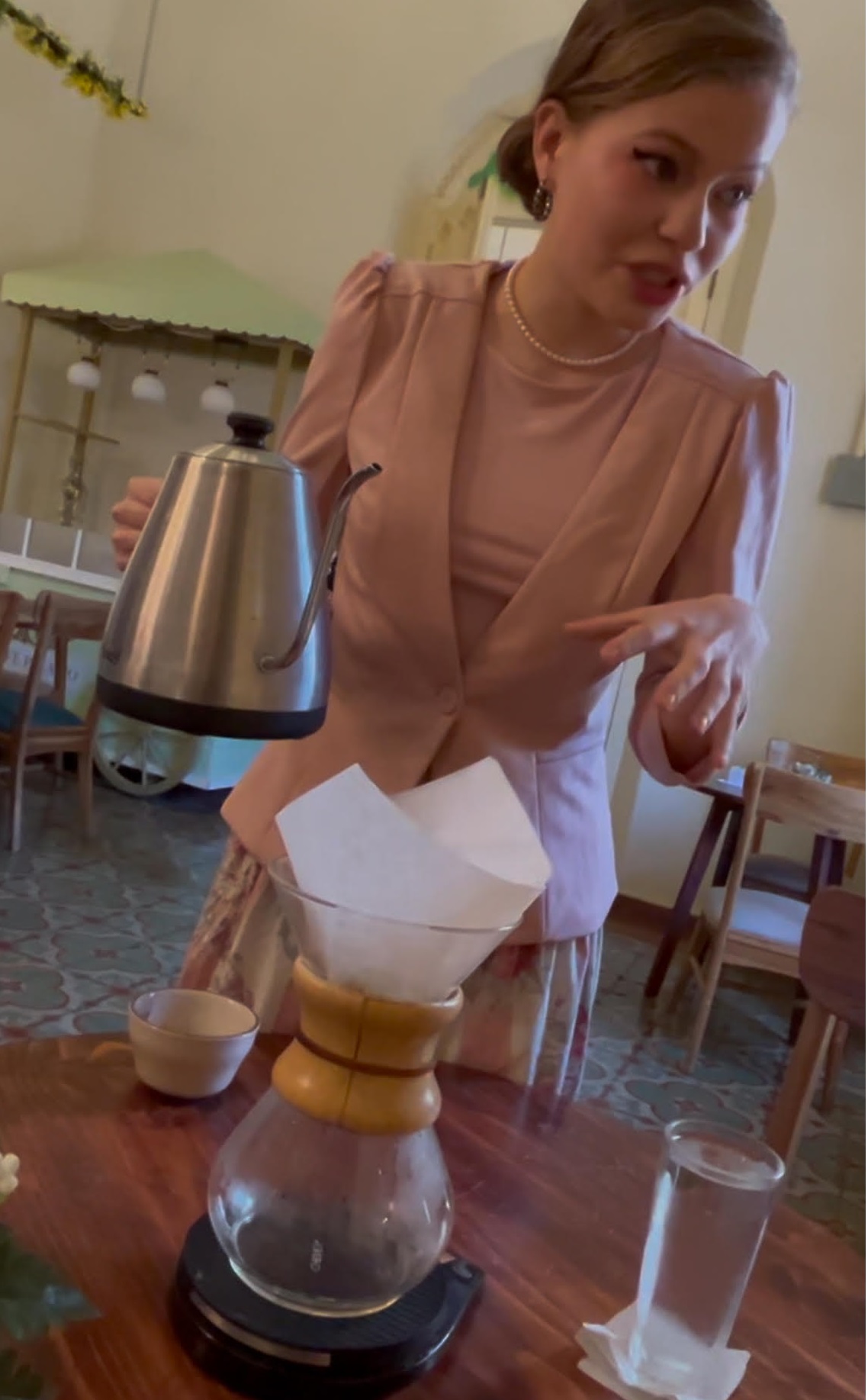
Rivera serves Salvadoran coffee at a Santa Tecla café.
“When you grow up in a society that normalizes violence so much, you get used to it,” Rivera says. “It was very common to see every day a person that was found whose head was chopped off.”
Continue reading
 The Elephant Box