Monthly Archives: February 2025

Chemodan II: 2 + 2 = 5: Stalin coins a slogan, and 500,000 ‘dirty swine’ applaud death sentences

This is part two in a series about a mysterious suitcase that once belonged to a young Briton who followed his father into a career as a diplomat in the USSR in the 1930s. Check out parts one and three.

A school rugby team photo with the future Captain W.R. Frecheville of the Royal Engineers, whom the Bolsheviks would capture and execute in 1920.

Even as young George Walton was at Sedbergh, studying French, passing the ball on the rugby field, and bowling on the cricket pitch, he must have avidly followed his father’s career abroad. The Civil War was raging from 1918-1920. The U.K. deployed troops from the White Sea to the Sea of Japan.

In the south, where W.S. was stationed after he left Murmansk, the Royal Air Force flew combat missions against the Red Army. British ground troops and heavy Mark V and light Whippet tanks joined in the White attacks, Lauri Kopisto writes in a dissertation titled “The British Intervention in South Russia 1918-1920” (University of Helsinki, 2011). British tank crews led a successful assault on the Bolshevik stronghold of Tsaritsyn, later renamed Stalingrad. The Bolsheviks made clear their hatred for the foreigners, threatening to castrate and crucify any British prisoner of war who fell into their hands.

[Check out the new edition of The Insurrectionist.]

Continue reading
Leave a comment

Filed under Russia

Chemodan I: A mysterious suitcase’s tale of war, revolution, and love in the time of Stalin

This is the first in a three-part series. Check here for parts two and three.

I knelt packing my bag on the floor of the London townhouse of Andrew Fox, a British businessman and friend from when we both lived in the Russian Pacific seaport of Vladivostok. I had come here to interview him for a memoir piece on the 1990s and early 2000s in Russia’s “Wild East.” This was a turbulent era when mob-linked political bosses kidnapped journalists, a shipping industry whistleblower was blown to bits by TNT planted under her bed, and the governor threatened to jail Andrew, who also happens to be the honorary British consul general to the city.

I was double-checking my passport, wallet, and other essentials (My hearing aids! Oh, in my ears) when Andrew came thumping downstairs with a leather suitcase. As scuffed as old shoes, it was peeling open and dusted with dried mold that rubbed off like chalk on one’s clothes.

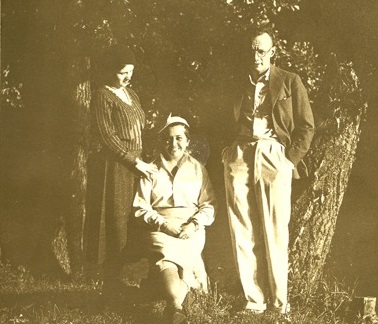
Unidentified photograph found in the suitcase, likely of George Walton, his wife Natalia (Tata), and his Russian mother.

“Before you go, did you want to take a look at this?” he said.

That’s right; he had mentioned something about a suitcase full of old British documents concerning Russia. I was heading to St Pancras to catch a train back to Belgium. Yet who could resist this strange object? “Suitcase” translates as chemodan in Russian, a word as ordinary as its English equivalent. But when applied to this curiosity, it seemed to describe a magical object that might pop up in an Isaac Bashevis Singer story.

“Sure,” I said. “We have time.”

Continue reading

Leave a comment

Filed under Uncategorized

How El Salvador shed the title of world’s murder capital

The day Melissa Rivera turned 18, a friend of hers named Karen Guerrero sent the Salvadoran student a text wishing her happy birthday.

By 1 p.m. Guerrero, who was also 18, was missing, Rivera recalls. She was later discovered dead in a ditch, her limbs cut off. Her slain brother lay beside her.

“She was not involved in any drug or gang stuff,” says Rivera, who is studying at Universidad Francisco Gavidia. “She had a scholarship and was a very kind Christian girl.”

Such horrors were commonplace a few years ago in El Salvador, a nation riven for decades by civil war, death squads, and gang warfare. Now 21, Rivera remembers her mother walking her to school when she was a child. The older woman covered her daughter’s eyes when they passed the corpses of murder victims in the road.

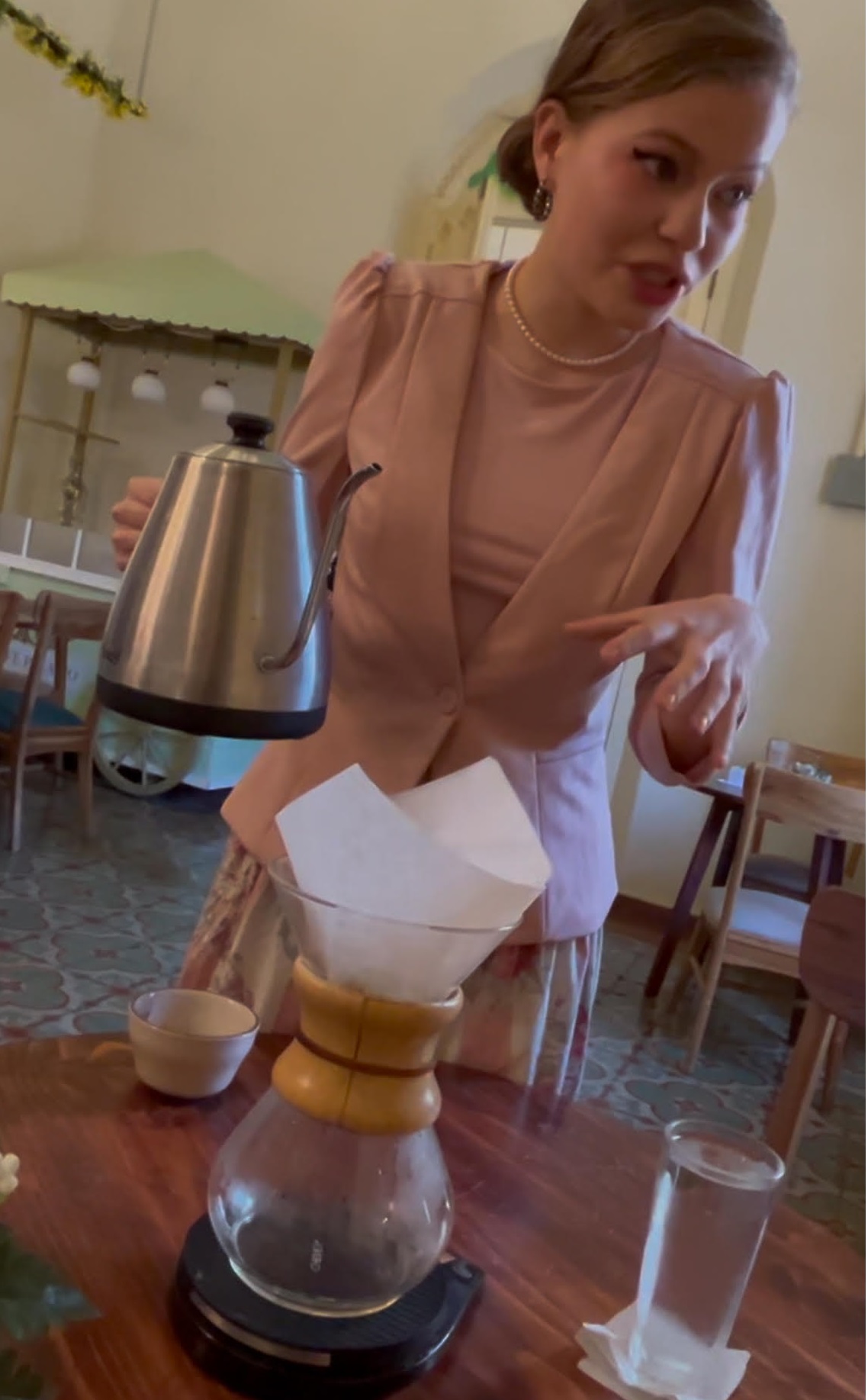
Rivera serves Salvadoran coffee at a Santa Tecla café.

“When you grow up in a society that normalizes violence so much, you get used to it,” Rivera says. “It was very common to see every day a person that was found whose head was chopped off.”

Continue reading

Leave a comment

Filed under Crime, International, Salvador